A Brief History of Panguitch Lake Dam
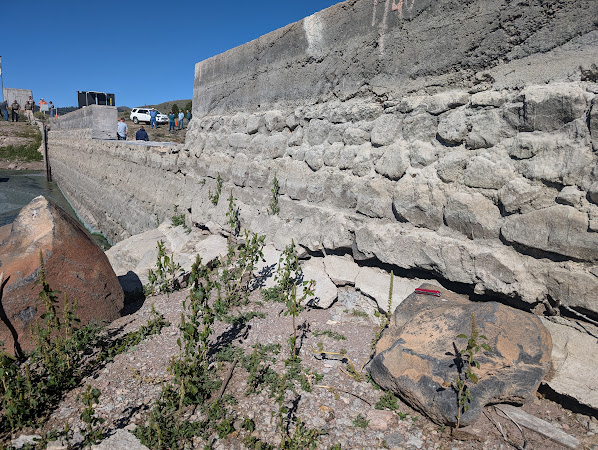
Panguitch Lake Dam is owned by the West Panguitch Irrigation Company. The original dam, constructed in 1872, was a concrete masonry dam that stood approximately 22 feet high and 265 feet long. The dam has a 48-inch outlet with an upstream control gate and creates a 23,500-acre-foot reservoir that provides irrigation water to farmers and ranchers in and around Panguitch, Utah. The created reservoir also provides recreation to the surrounding communities. With no other spillway, the dam is overtopped when the reservoir exceeds capacity, the dam itself functioning as a spillway control section. In 1942, to capture additional water in the reservoir, the dam was raised approximately two feet by adding a concrete cap, or parapet, two feet high and two feet wide along the length of the dam. In 1975 additional modifications to the dam included buttressing the downstream face of the original masonry dam with zoned earthfill and a grouted riprap cap. In 2011, while attempting to regulate flows through the outlet, the owner was unable to close the control gate. Further investigation revealed cracking of the cast iron gate leading to the complete replacement of the gate and controls. Beyond these modifications, the dam has operated successfully for almost 150 years.
2024 Incident and EAP Initiation
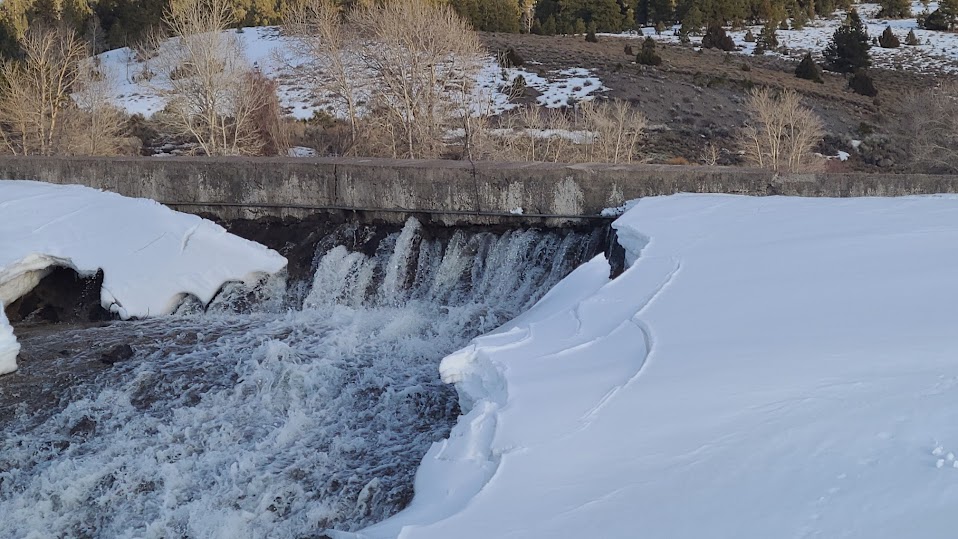
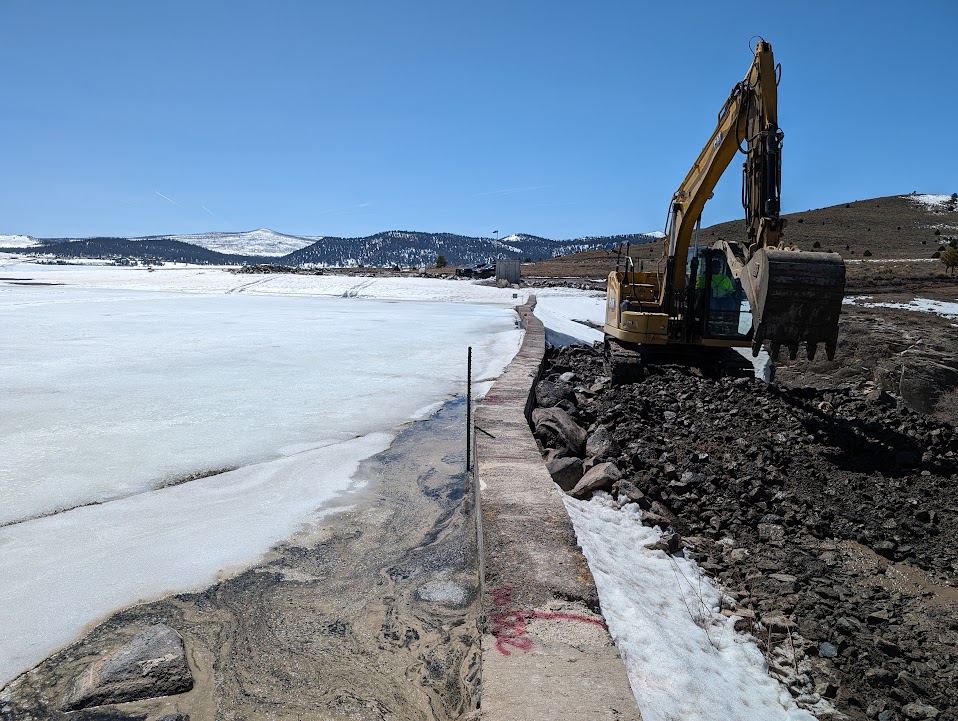
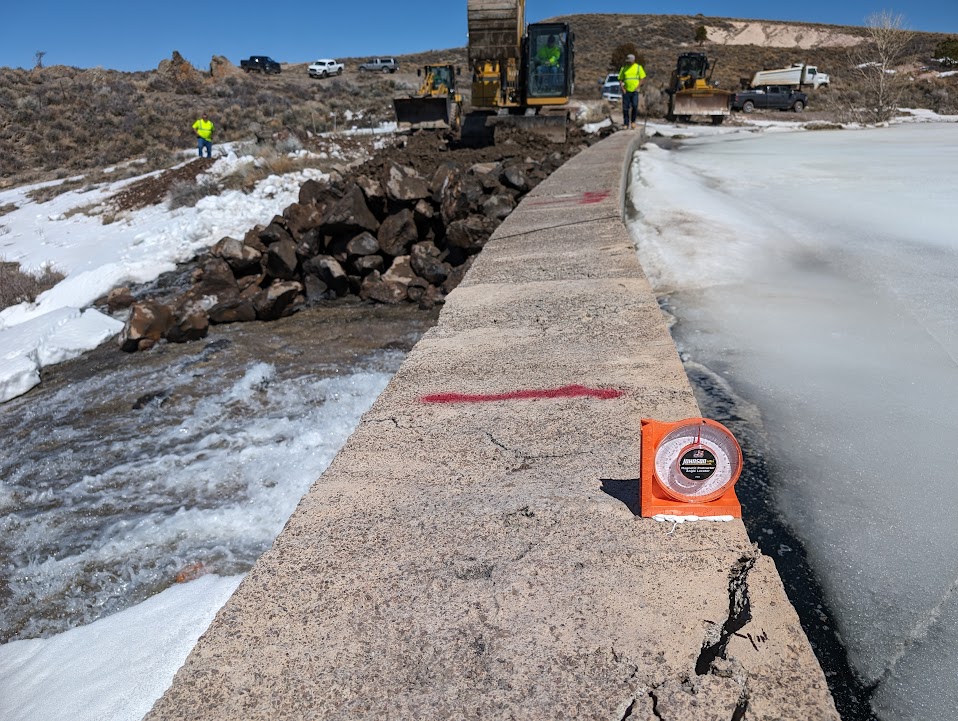
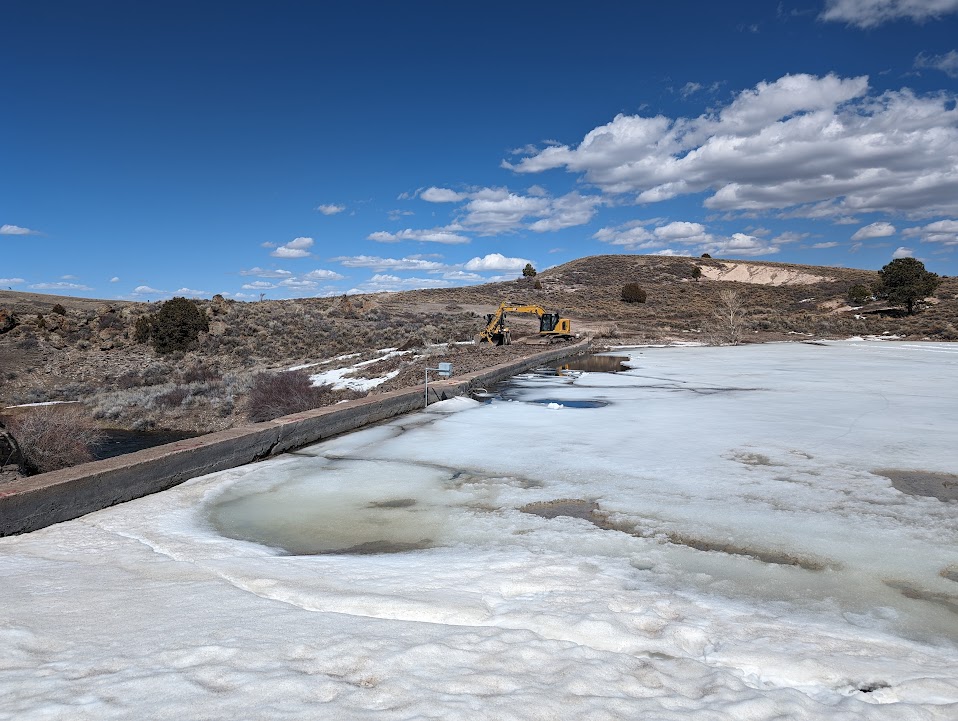
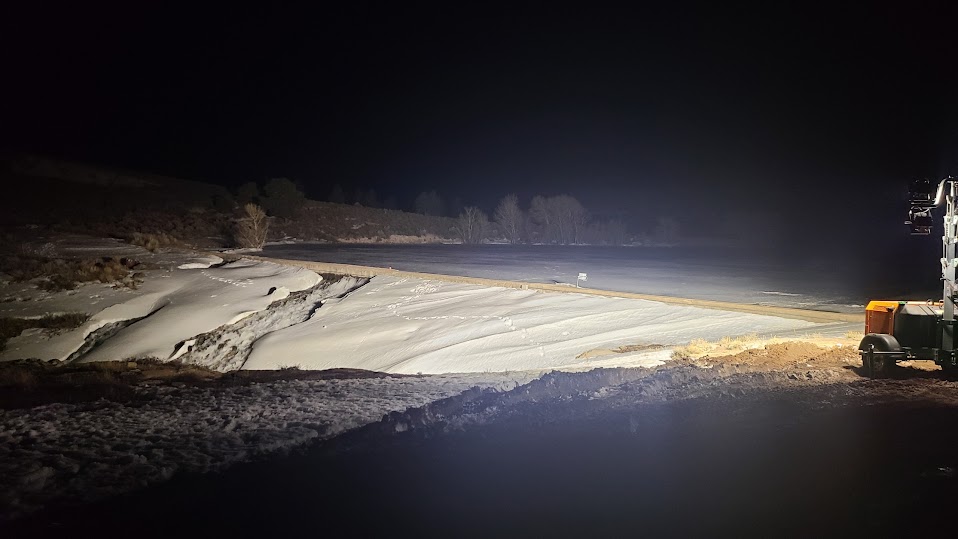
On April 8, 2024, the Utah Division of Water Rights, Dam Safety Section was alerted to an ongoing incident at Panguitch Lake Dam. The ice sheet on the reservoir was being pushed up against the dam and had created a 60 to 80-foot crack in the upper three to five feet of the dam, indicating this portion of the dam was not able to structurally resist the forces induced by the ice sheet. Reservoir water was flowing through the cracked upper portion of the dam and continued pressure from ice was pushing the damaged section over. Concern that the damaged portion of the dam would eventually fall over, leading to an uncontrolled release of the upper portion of the reservoir, led to the Garfield County Sheriff initiating the emergency action plan. The cooperative response from local, state, and federal officials; engineers; emergency responders; and the community demonstrated how effective an emergency action response can be. The county sheriff’s department closed the nearby rural highway preventing harm to motorists in the event of failure and providing unimpeded travel between the town of Panguitch and the dam site for response personnel. Onsite engineers assessed the cause of the incident and developed a three-pronged approach to mitigate a potential failure.

Emergency Response Measures
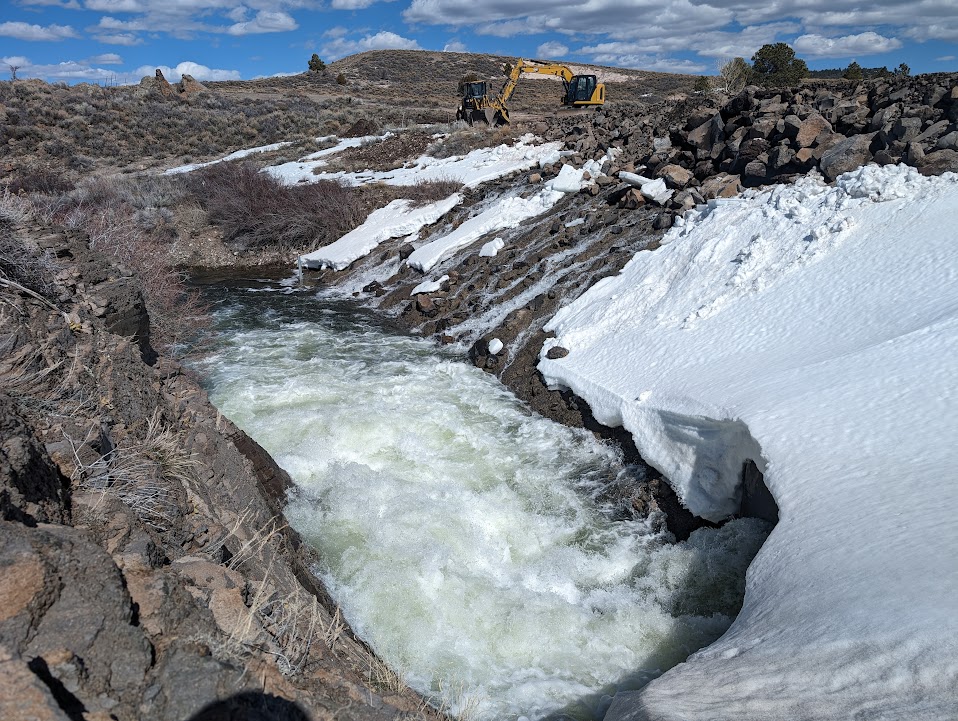
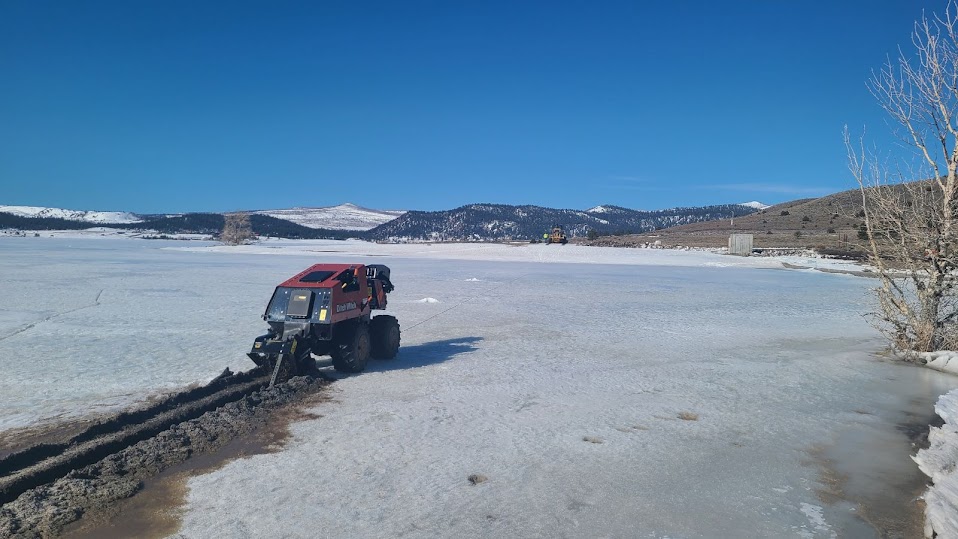
Reservoir ice continued to push against the upper portion of the dam, threatening to overturn the damaged section and release the upper portion of the reservoir. The owner of the dam was already cooperating with state dam safety officials to release water from the reservoir, working to lower the reservoir level below the damaged portion of the dam. Engineers placed an inclinometer, a device that measures angles, on the crest of the dam to monitor movement of the damaged section. County road construction crews brought in heavy equipment and access to a nearby rock quarry was provided. Crews began to place riprap along the downstream edge of the tilting, damaged section to stabilize it. Finally, to relieve pressure from the reservoir ice sheet pressing against the dam, a large, remotely controlled trenching machine was brought onsite and used to trench across the ice. Once the thickness of the ice was deemed sufficient to support the weight of the trenching machine, it was used to make several cuts across the ice near the dam. This created space for the ice to recede away from the dam. Focusing on these three efforts: lowering the reservoir, relieving ice pressure on the dam, and stabilizing the damaged area of the dam, responders were able to prevent the loss of the reservoir and any resultant downstream damage.
While engineers and construction crews worked at the dam. Public officials gathered in Panguitch to notify residents of the potential for failure of the dam. Local law enforcement identified evacuation areas and prepared to initiate evacuations if necessary. A public meeting was held to inform the community of the response efforts, answer questions, and address their concerns. The public meeting also provided an opportunity to review evacuation guidelines and protocols. The collaborative response by government officials, engineers, emergency responders, and the community led to the successful mitigation of a failure and the appropriate emergency response if failure could not be avoided.
With the imminent threat of failure addressed, response personnel turned their focus to short-term operation of the dam and long-term repair. In the following weeks, state dam safety officials would place a filling restriction on the reservoir to prevent any reservoir storage within one foot of the damaged section of the dam. This action required the continued draw down of the reservoir below the damaged section of the dam. When the reservoir was drawn down sufficiently, a temporary spillway was cut in the crest to prevent storage against the affected portions of the dam.

Long-term Repairs
With short-term operations addressed, engineers turned to long-term repair of the dam. An evaluation of the existing dam was performed and alternatives to rehabilitate the dam were developed. Ultimately, it was decided to construct a new roller compacted concrete (RCC) dam downstream of the existing dam. The new RCC dam design protects against future ice loading by widening the crest, providing sufficient concrete to resist anticipated forces. Additionally, to protect the control gate’s hydraulic lines and the outlet’s air vent from damage due to ice they will be embedded within the concrete of the dam. The design was finalized and construction of the new dam began in the summer of 2025.
Lessons Learned
Panguitch Lake Dam, built in 1872, provided irrigation water to farmers and ranchers for nearly 150 years. When reservoir ice loads damaged the upper portion of the dam, a coordinated response by local, state, and federal officials; engineers; emergency responders; and the community provides an example of the effective use of an emergency action plan and rapid mitigation response, which in this case averted the failure of the dam. Though it received several modifications throughout its lifetime, the damage caused by ice pressing against the upper portion of the dam led to additional dam safety evaluations and eventual replacement of the dam.
References
(1) Price, B. (2024). Engineers’ Incident reports – April 9, 10, & 11. RB&G Engineering, Inc.
(2) RB&G Engineering, Inc. (2024). Evaluation Report: Panguitch Lake Dam, Garfield, Utah.
This case study was peer reviewed by Seth Thompson, PE (GFT) and Matt Call (Utah Division of Water Rights).




Lessons Learned
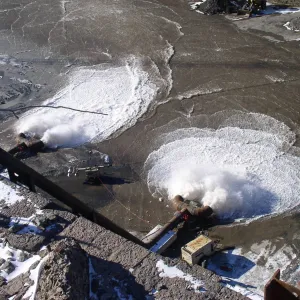
All dams need an operable means of drawing down the reservoir.
Learn more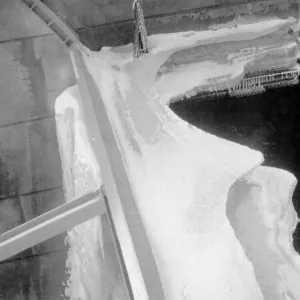
Dams in cold regions should account for ice.
Learn more
Early Warning Systems can provide real-time information on the health of a dam, conditions during incidents, and advanced warning to evacuate ahead of dam failure flooding.
Learn more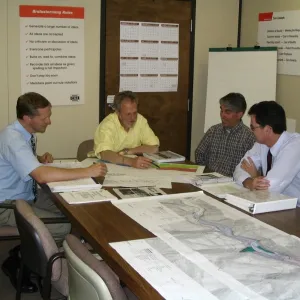
Emergency Action Plans can save lives and must be updated, understood, and practiced regularly to be effective.
Learn more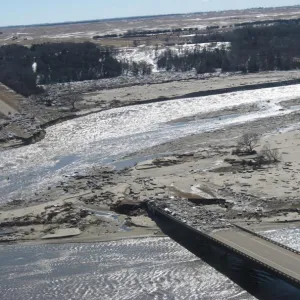
Forensic investigations are needed for major dam failures and incidents in order to determine the history of the contributing physical and human factors, and the culminating physical failure modes and mechanisms.
Learn more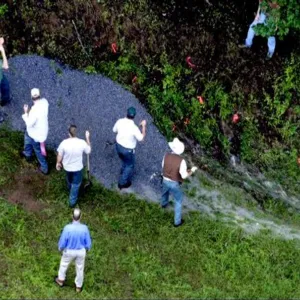
Intervention can stop or minimize consequences of a dam failure. Warning signs should not be ignored.
Learn more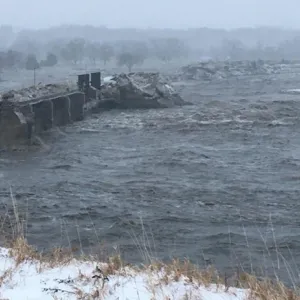
Past successful dam performance does not guarantee future successful performance.
Learn more
Timely warning and rapid public response are critical to saving lives during a dam emergency.
Learn more

Federal Guidelines for Dam Safety - Hazard Potential Classification System for Dams

A Guide to Public Alerts and Warnings for Dam and Levee Emergencies
Dams Sector Crisis Management Handbook
Gravity Dam Design, EM 1110-2-2200
Stability Analysis of Concrete Structures, EM 1110-2-2100
Engineering and Design: Ice Engineering