Key Lesson
Early and continuous coordination with local emergency managers is essential to ensure a dam Emergency Action Plan (EAP) can be effectively implemented during an incident. Dam owners who establish relationships, communication protocols, and joint exercise processes before an emergency occurs are significantly better positioned to protect lives, property, and critical infrastructure.
Why This Matters
A dam incident can escalate rapidly, leaving little time to establish roles, confirm contacts, or develop protective action decisions during the event. Local emergency managers bring critical, cross-sector knowledge that dam owners may lack.
Local emergency managers play a critical role in:
- Public warning and evacuation
- Emergency protective actions
- Resource coordination
- Draw on past Incident experience
- Incident command integration
- Recovery and mitigation planning.
Without this coordination, delays in notification, evacuation, and response can increase consequences downstream.
Lesson 1: Align the EAP with Local Emergency Management Objectives
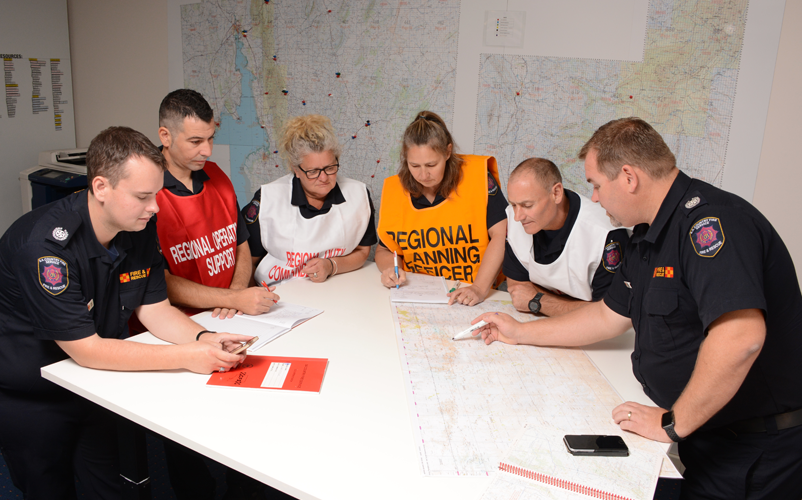
To integrate your EAP with broader public safety objectives, collaborate with local emergency managers to define roles and responsibilities. The dam EAP should directly support the broader mission of local emergency management agencies:
- Protecting life safety
- Reducing property damage
- Supporting coordinated response operations
- Enabling efficient recovery
Clearly defined roles and responsibilities between the dam owner, operator, and local agencies are essential. This includes identifying who is responsible for:
• Managing incident escalation
• Issuing protective action and evacuation recommendations
• Triggering public notifications, alerts, and public messaging
• Coordinating emergency resource and equipment requests
When dam owners and emergency managers operate from the same playbook, communities are better protected, and response operations run more smoothly.

Lesson 2: Leverage Local Knowledge and Community Awareness
Local emergency managers possess critical knowledge of the jurisdiction that may not be reflected in the dam owner’s planning documents.
This includes:
- Vulnerable populations: Emergency managers understand the needs of vulnerable populations, ensuring alerts and notifications are effective and customized.
- Evacuation routes and choke points: They know which evacuation routes may flood and where shelters, schools, and hospitals are located. This helps dam owners plan safe routes for heavy equipment during emergency repairs.
- Multi-agency networks: Emergency managers maintain relationships with first responders, floodplain managers, and public safety agencies.
- Local warning systems: They have access to local alert networks that can be activated instantly to warn the public.
Incorporating this local knowledge strengthens both EAP development and exercise realism.
Lesson 3: Build Relationships Before an Incident
The worst time to meet local emergency managers is during a crisis. Building strong relationships beforehand improves trust, speeds up decision-making, and reduces confusion during high-stress situations.
Proactive engagement strategies include:
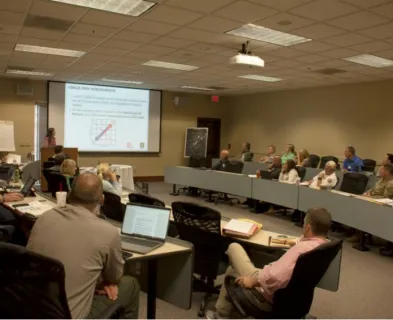
- Hosting dam tours and coordination meetings to help emergency managers understand the dam’s benefits and risks.
- Hand delivering EAPs and updates to plan holders.
- Offering use of facilities like reservoirs for search and rescue training
- Jointly reviewing dam inundation maps.
- Conducting EAP exercises to build response capabilities and clarify roles.
- Participating in local planning activities, such as hazard mitigation planning teams, community flood outreach programs, or local flood response exercises.
Lesson 4: Improve Protective Action Decision-Making
During a dam incident or emergency, local emergency managers must decide on protective actions like evacuation, shelter-in-place, or road closures. These decisions require time to evaluate, approve, and implement.
This includes identifying triggers for:
- Evacuation orders
- Shelter-in-place directives
- Road closures
- Public alerts and warnings
To support this process:
- Coordinate EAP emergency levels, notifications, and messaging with local emergency managers.
- Ensure a shared understanding of event classifications (e.g., Level 1, 2, or 3) to align with local emergency operations.

Lesson 5: Integrate the EAP with Local Emergency Operations Plans (EOP)
A common lesson learned is that dam EAPs must not function as stand-alone documents. An incident at the dam can quickly become a community incident. Integrating the EAP with local emergency operations plans enhances response effectiveness.
They should be integrated with local EOPs, including:
- Incident Command System (ICS) structure: ICS provides a clear structure for roles, responsibilities, and communication during high-pressure events.
- National Incident Management System (NIMS) processes: This ensures dam and community response activities work in step.
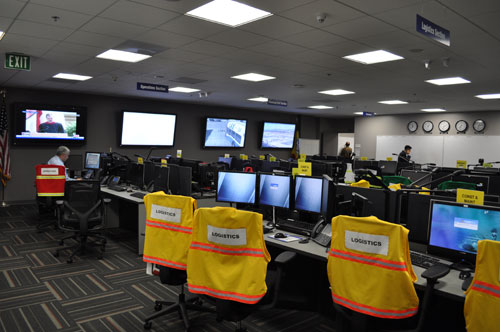
- Engagement with Emergency Operations Centers (EOCs): Collaborating with EOCs ensures shared priorities, consistent public messaging, and improved joint decision-making.
- Emergency notification protocols
- Mutual aid procedures
- Continuity and recovery plans
This integration improves operational coordination during response.
Lesson 6: Strengthen Communication and Public Warning
Effective communication is critical during a dam incident. Early collaboration with local emergency management ensures consistent messaging, minimizing public confusion and maintaining trust.
Local emergency managers can help develop:
- Clear notification procedures
- Pre-scripted warning messages
- Evacuation instructions
- Public information coordination
- Media communication processes
Key tools for this communication include:
- Public Alert Frameworks: Systems like WEAs and reverse 911 provide timely guidance on protective actions.
- Joint Information System (JIS): Coordinates communication strategies across agencies to avoid conflicting information.
- Joint Information Center (JIC): Serves as a central hub for verifying, coordinating, and distributing unified messages.
Dam owners/operators can contribute technical expertise to these systems, ensuring accurate and reliable public communication.
Lesson 7: Coordinate Resources and Response Personnel
During an emergency, local emergency managers serve as a key coordination point for various response personnel.
This may include:
- Law enforcement
- Fire and rescue
- EMS
- Transportation agencies
By collaborating with local emergency managers, dam owners can access:
- Local assets: Public Works equipment, transportation assets, and first responders.
- State and federal support: Assistance from the National Guard, U.S. Army Corps of Engineers, and National Weather Service.
- Financial assistance: The Federal Emergency Management Agency (FEMA), the Natural Resources Conservation Service (NRCS), and the Federal Highway Administration (FHWA) all have disaster reimbursement assistance for Emergency repairs and protective measures.
Proactive coordination ensures resources are deployed effectively when every second counts. Early coordination improves mobilization speed and operational unity.
Lesson 8: Use Exercises to Identify Gaps
EAP exercises provide one of the best opportunities to validate coordination procedures with local emergency managers.
Exercises help identify gaps in:
- Notification timelines
- Decision authority
- Evacuation procedures
- Communication pathways
- Map interpretation
- Resource coordination
Document findings in After Action Reports and use them to continuously improve EAPs and EOPs.
Takeaway
The most effective dam emergency plans are built through collaboration. Coordination with local emergency managers before, during, and after EAP exercises strengthens preparedness, improves response effectiveness, and ultimately helps save lives.
References:
This lesson learned was peer-reviewed by Bill Johnstone, P.E. (Spatial Vision Consulting).



Front Range Flood (Colorado, 2013)

Guajataca Dam (Puerto Rico, 2017)

Wivenhoe Dam (Australia, 2011)
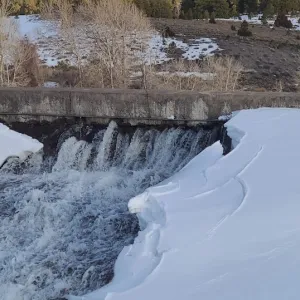
Panguitch Lake Dam (Utah, 2024)

Edenville Dam (Michigan, 2020)
A Guide to Public Alerts and Warnings for Dam and Levee Emergencies

Emergency Action Planning for Owners
Dams Sector Crisis Management Handbook