Introduction: The Critical Role of EAP Exercises in Dam Safety
A written Emergency Action Plan is a necessary foundation for dam safety, but it is not enough on its own. Until it is exercised, tested, and validated under realistic conditions, it remains only a document. Real preparedness comes from turning written procedures into practiced capability. That means confirming that notifications happen on time, roles are understood, and decisions can be made quickly under pressure.
Past dam incidents have shown the cost of relying on plans that have not been exercised. Delayed warnings, unclear responsibilities, and weak coordination can worsen consequences for downstream communities. These lessons make one point clear: EAP exercises are not optional administrative tasks. They are a core part of protecting life, property, and public confidence.
Operational Value of Exercising Emergency Action Plans
EAP exercises strengthen the ability of dam owners, operators, emergency managers, and public safety partners to respond effectively when conditions change fast. By simulating incidents and emergencies, exercises allow participants to practice actions before a real event occurs. This builds familiarity with procedures and improves confidence across agencies and disciplines.
Exercises also improve communication and coordination. They help agencies confirm who must be notified, when those notifications must occur, and how information should move between technical staff, local officials, emergency managers, and the public. This is especially important in dam incidents, where protective actions often depend on timely decisions made across multiple organizations.
In operational terms, exercises help shorten response timelines, sharpen decision-making, and improve public-protective actions. Teams can test whether emergency levels are understood, whether evacuation messaging is clear, and whether transition points between dam operators and public agencies are well defined. The result is a more capable response structure that can act faster and with greater clarity when every minute matters.

Frameworks and Standards Guiding Effective EAP Exercises
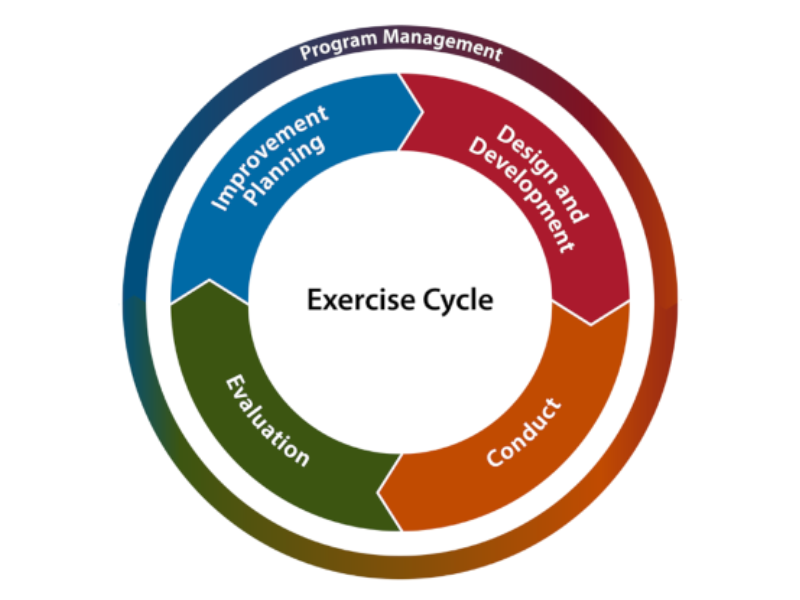
Effective EAP exercises benefit from a structured framework. National doctrine, including the Homeland Security Exercise and Evaluation Program (HSEEP), provides a consistent approach for designing, conducting, and evaluating exercises. Aligning with established doctrine helps ensure that exercises are not ad hoc events, but part of a disciplined preparedness program.
Standardized planning improves exercise quality in several ways. It promotes clear objectives, defined participant roles, realistic scenarios, and formal evaluation criteria. This allows organizations to measure performance against specific objectives aligned with capabilities. It also makes exercises easier to repeat, compare, and improve over time. Well-designed exercises are anchored in clear objectives, often supported by SMART criteria: specific, measurable, achievable, relevant, and time bound. Evaluation processes then capture what worked, what did not, and what must change. This helps organizations identify corrective Actions or pinpoint areas needing improvement. This structure helps organizations move from discussion to measurable improvement.
Exercise Modalities and Their Strategic Applications
EAP exercises generally fall into two broad categories: discussion-based and operations-based activities. Each serves a different purpose and should be selected based on organizational needs.
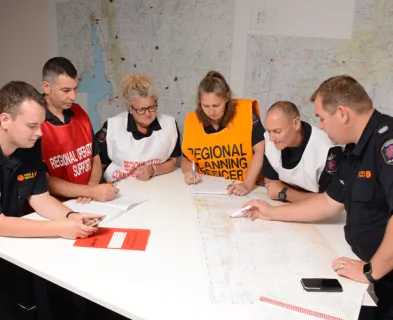
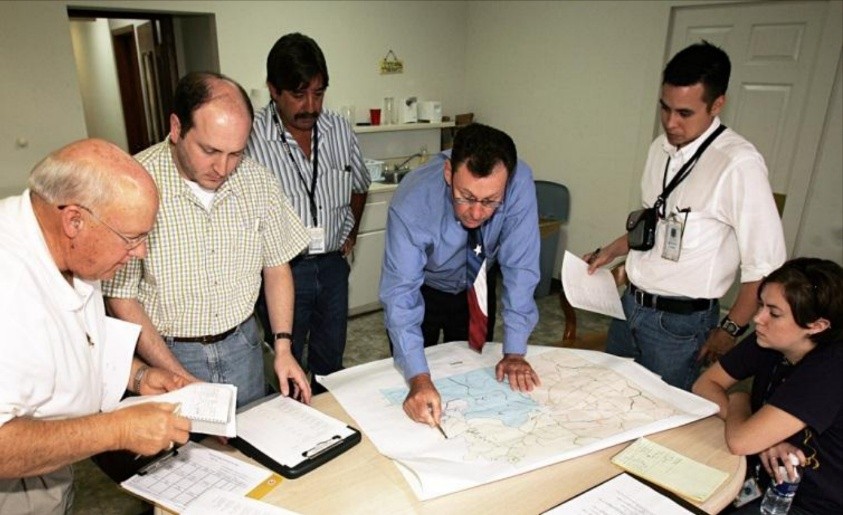
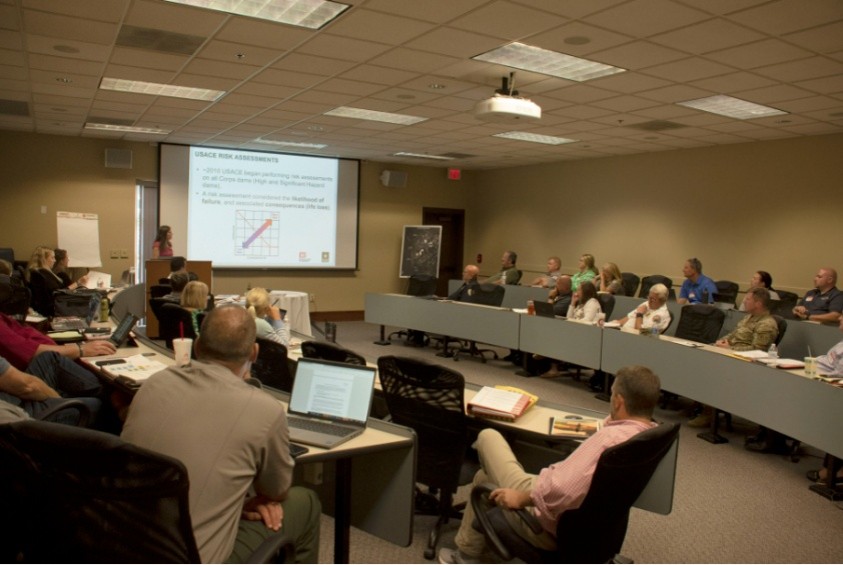
Discussion-based exercises include seminars, workshops, tabletop exercises, and games. These formats are useful for reviewing policies, exploring scenarios, clarifying roles, and building shared understanding in a lower-stress environment. They are often a strong fit for organizations that are refining plans, onboarding stakeholders, or addressing new risks.
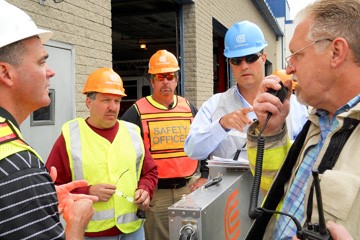
Operations-based exercises include drills, functional exercises, and full-scale exercises. These are designed to test actions in a more realistic setting. They may involve activating staff, simulating emergency operations, deploying equipment, and coordinating across agencies in real time. These formats are useful when organizations need to validate capabilities under pressure.
The best format depends on organizational maturity, risk profile, and available resources. A team early in its preparedness cycle may benefit most from a tabletop exercise that clarifies procedures and decision points. A more advanced program may use functional or full-scale exercises to test field execution, communications, and coordination. Selecting the right format helps organizations match exercise complexity to actual readiness goals.
Successful EAP exercises can be delivered effectively in person or through virtual platforms, as long as they are designed with participation and engagement in mind. Virtual EAP exercises should include features that encourage interaction, such as breakout rooms for small-group discussion or formats that allow different organizations to participate together in a shared virtual space. To support a smooth experience, organizations should have someone available to help participants navigate the platform and address technical issues as they arise. Proper planning for the platform, technology, and overall virtual setup is essential to ensure the virtual exercise runs smoothly and achieves its intended goals. Both in person and virtual exercises depend on a strong facilitator who knows how to keep participants engaged, guide discussion, and ensure the exercise produces meaningful learning and practical improvements.
Expanding Beyond Catastrophic Scenarios
EAP exercises can address more than worst-case dam failure scenarios. While catastrophic events deserve focused planning, exercise programs are stronger when they also include more frequent operational events. High-flow releases, unusual seepage conditions, gate malfunctions, and other evolving incidents can create urgent public safety concerns even if they do not lead to full failure.
This broader approach reflects how emergencies unfold. Organizations need to be ready for both high-impact, low-probability disasters and higher-frequency events that still require fast coordination and protective action. Exercising a range of conditions helps teams understand thresholds, communication needs, and operational demands across the full risk spectrum.
Modern EAP exercise programs should also include emerging threats. Cyber disruption affecting dam control systems, Supervisory Control and Data Acquisition (SCADA) failures, misinformation during evacuations, earthquakes, operational mistakes, and cascading impacts across power, transportation, water treatment, and communications systems can all complicate response. Including these issues in exercises helps organizations prepare for the complex conditions that often surround real incidents.

Common Gaps Identified Through EAP Exercise Programs
An effective multi-hazard approach considers the full range of potential risks, vulnerabilities, and incident types that a community may face—whether that involves dam failures, severe weather, hazardous material releases, or other emergencies. EAP exercises fit naturally within this broader framework. The communication systems, staffing structures, and equipment used to execute a dam-related response are the same resources that support any emergency response. Strengthening them through EAP exercises means strengthening overall response capability—not just dam-specific protocols.
One of the greatest benefits of EAP exercises is that they reveal gaps before a real emergency does. Communication issues are among the most common findings, including outdated contact information, unclear notification sequences, inconsistent emergency terminology, and weak public messaging.
Coordination and role clarity are also common issues. Participants may find that assigned responsibilities do not match actual staffing, legal authority, or operational capacity. In some cases, a key official may be expected to fill a response role that conflicts with other emergency duties. Exercises help surface these issues and create a path to resolve them.
Inundation mapping remains a common challenge. Responders must be able to access maps quickly, interpret them accurately, and apply them to the incident. When maps are unclear or users are not trained to use them, decision-making can slow when timely clarity is most critical.
Exercises also expose resource and process bottlenecks. They may show that personnel, equipment, traffic control support, or warning tools are not available as assumed. They can also reveal delays in detection, internal reporting, decision approvals, or coordination with outside agencies. Identifying these weaknesses in exercises allows organizations to correct them before a real event.
Case Insight: Demonstrated Impact of Pre-Incident Exercises
The value of pre-incident exercises is not theoretical. Real-world events have shown that prior training and coordination can directly improve emergency outcomes. The Oroville Dam incident in Northern California exposed critical gaps in emergency preparedness—gaps that could have been identified through an EAP exercise. The event underscored the urgent need for comprehensive preparedness measures to protect communities from dam-related risks.
Another strong example comes from the 2020 Edenville and Sanford dam failures in Michigan. During that event, more than 11,000 residents were evacuated successfully. That response was supported by an earlier tabletop exercise held in Fall 2019 involving dam operators and a broad group of local stakeholders. The exercise helped clarify a critical transition in responsibility: dam operators manage the incident up to the point of failure risk, while local and county agencies lead community notification and evacuation once a breach occurs or public protective action becomes necessary.
Because participants had already worked through these issues before the actual emergency, they were better prepared to act decisively. The exercise built shared understanding, improved coordination, and supported effective evacuation under real pressure. This case shows how exercises can save time, reduce confusion, and improve life-safety outcomes.
Building a Sustainable, High-Quality Exercise Program
A strong exercise program is not built around one event. It depends on recurring cycles that support continuous learning and readiness. Organizations should establish a regular schedule of EAP exercises, with each activity building on lessons from the last. This creates momentum and helps maintain operational awareness across changing staff and partner agencies. Just as important, organizations should plan the logistics of each exercise carefully, including a comfortable location, appropriate timing, and food, since these details can make stakeholders more willing to attend and fully participate.
Scenarios should be realistic, relevant, and varied. Because dam incidents may occur at any time, including during the early morning hours, on holidays, and over weekends, EAP exercise scenarios should be designed to reflect those potential conditions. They should reflect credible failure modes, flooding impacts, pre-event indicators, and post-event consequences. They should also match the organization’s current goals, whether those goals involve notification testing, decision-making, field coordination, or public warning.
Multi-agency participation is essential. Dam incidents involve more than dam personnel alone. Emergency managers, public safety agencies, local governments, infrastructure partners, and others all play roles in protective action. Bringing these stakeholders together during exercises strengthens relationships and improves coordinated performance. EAP exercises should also be designed to include these stakeholders with tailored injects, ensuring they gain valuable insights and do not feel their time is wasted.
High-quality programs also rely on consistent documentation and technical clarity. Materials should use plain language where possible, define technical terms clearly, and support practical use under stress. Objectives should be actionable and measurable so that performance can be evaluated in a meaningful way. Well-documented exercises produce stronger lessons and more useful follow-up actions.
After-Action Review and Continuous Improvement
An After-Action review is an important tool in both an actual incident and an Exercise. An exercise has limited value if observations are not converted into corrective action. A structured after-action review process helps organizations validate findings, identify root causes, and prioritize the most important improvements. This ensures that lessons learned do not remain informal notes or isolated comments.
A strong after-action process assigns ownership for each corrective action, sets deadlines, and tracks progress over time. This helps produce Actionable Action Items that are specific, steps identified to address gaps, improve performance, or implement lessons learned. It also confirms whether changes have been fully integrated into plans, training, and future exercises. This step is critical because improvement does not happen through identification alone. It happens through documented follow-through.
Continuous improvement should become part of organizational culture. Updated notification procedures, clarified roles, revised maps, stronger coordination protocols, and added training should all feed back into the preparedness cycle. In this way, each exercise strengthens the next one, and the overall program becomes more effective over time.
Conclusion: Advancing Preparedness and Resilience Through EAP Exercises
EAP exercises play a critical role in dam safety because they turn written plans into practical capability. They improve readiness, strengthen communication, clarify responsibilities, and support faster, more effective public-protective action. They also reveal gaps that might otherwise remain hidden until a real emergency occurs.
By using structured frameworks, selecting the right exercise formats, addressing both catastrophic and routine threats, and committing to after-action improvement, organizations can build stronger emergency programs and more resilient communities. In dam safety, preparedness depends not only on having a plan, but on proving that the plan works.
References:
This lesson learned was peer-reviewed by Bill Johnstone, P.E. (Spatial Vision Consulting).


Edenville Dam (Michigan, 2020)

Panguitch Lake Dam (Utah, 2024)

Guajataca Dam (Puerto Rico, 2017)

Oroville Dam (California, 2017)

St. Francis Dam (California, 1928)
Dams Sector Crisis Management Handbook


Michigan Dam Incident Response Review